Design and Implementation Guide: People with Disability Inclusive Urban Transport Infrastructure – Summary
Published: {acf_publication_date: F Y}
Main topic: Inclusion, Policy and planning
Study countrie(s): Ethiopia
Written by: Ataklti Gebrehiwet Gebrekidan, Berhane Grum Woldegiorgis, Birhane Araya Asfha, Bizuneh Asfaw Abebe, Dmtsu Gebremariam Hagos
Published by: Mekelle University
Study type: Guide
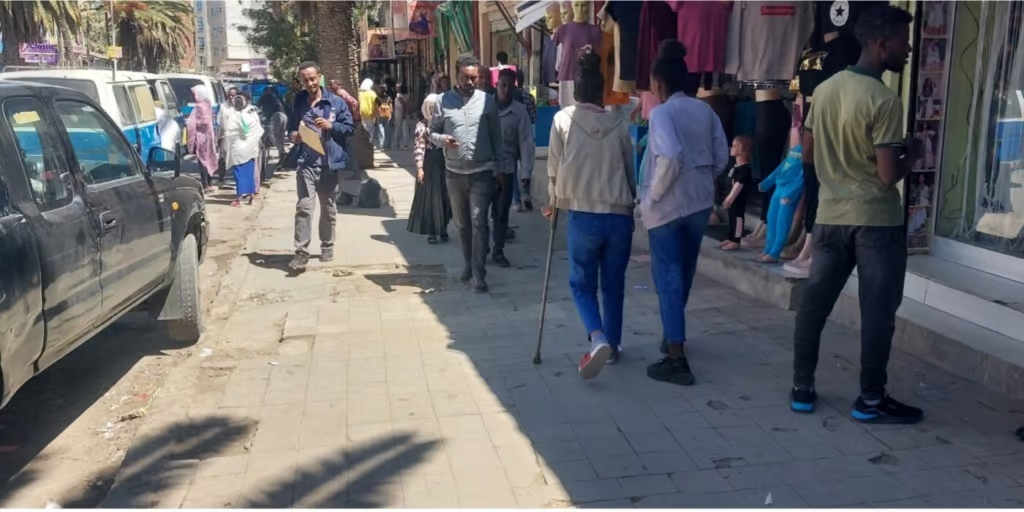
Mekelle, which is the capital city of Tigray, is the second largest city in Ethiopia after Addis Ababa. In Mekelle, urban planners, designers and administrators tend to prioritise vehicular traffic. This means the needs of pedestrians, especially those with disabilities, are neglected. Current law enforcement and design guidelines are insufficient to address the barriers people with disabilities face in the transport system. These challenges include difficulties for wheelchair users in accessing public transport, non-existent, narrow or poorly designed and managed sidewalks, missing or inadequate curb ramps, inaccessible buildings and a lack of signage and information.
Limited research works on the safety and mobility of people with disabilities in the city is making it difficult to identify challenges and develop suitable, inclusive, and sustainable transport solutions. To address this gap, Mekelle University – as part of UK AID’s High Volume Transport Applied Research Programme (HVT) – has conducted research to explore the challenges of the existing transport system for people with disabilities and propose possible solutions.
This document is a summary of a full guide, which can be accessed at transport-links.com. It outlines the safety and mobility challenges for people with disabilities in Mekelle city, highlighting the research findings and providing design and management guidelines for urban transport infrastructure based on the research findings and international best practices.